
straps
Why Is a Watch Strap the Most Underrated Luxury Upgrade?
Jan
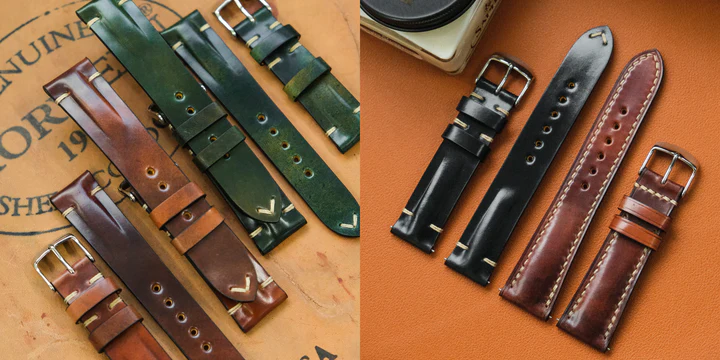
A fine watch is rarely just a timekeeper. It’s a personal emblem-of taste, intent, and the small decisions that shape daily life. Yet even among seasoned collectors, one element remains consistently underestimated: the strap. Quietly, almost invisibly, it dictates how a watch feels, wears, and ultimately lives on the wrist.
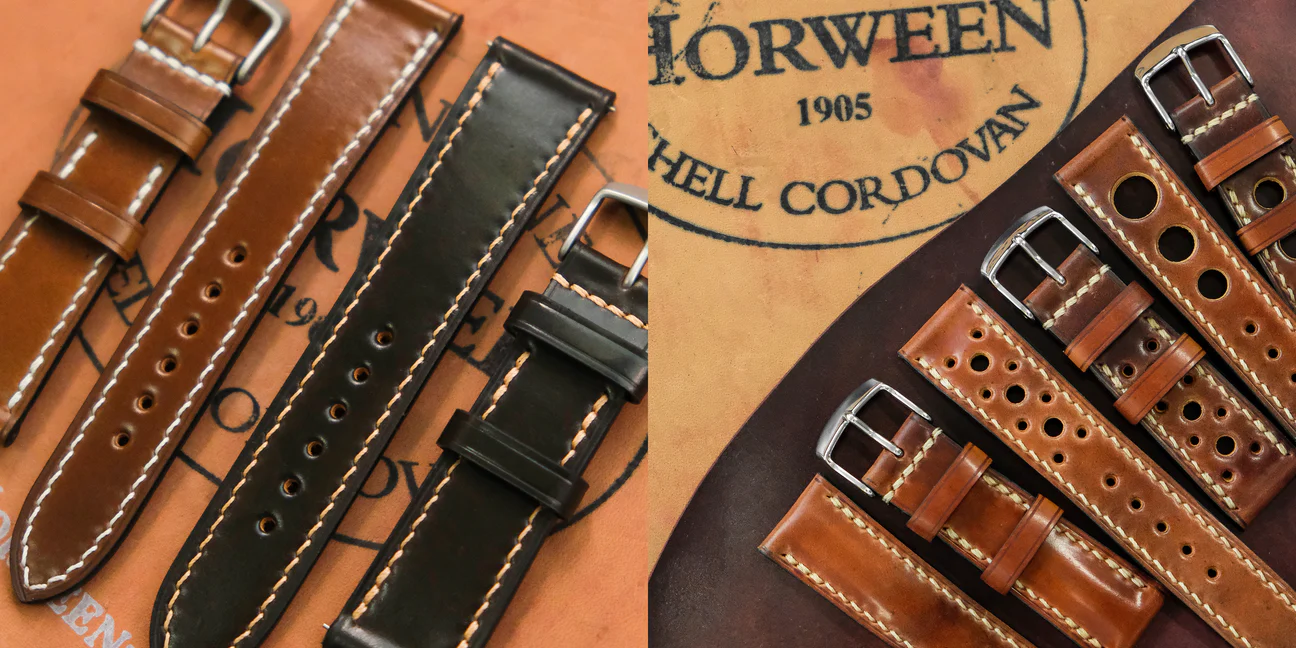
Changing a strap is the most elegant way to transform a watch. It can soften a tool watch into something urbane, harden a dress watch into a daily companion, or breathe fresh relevance into a piece you’ve owned for years. In a world where versatility is the new luxury, the right strap is no longer an accessory-it is an essential.
Textile straps, particularly modern NATO interpretations, exemplify this philosophy. Brands like Bark & Jack have refined the category into something far removed from its purely military origins. Their Seventy30 straps strike a rare balance between strength and comfort, blending durability with a tactile softness that feels considered rather than utilitarian. Worn on anything from a vintage field watch to a modern diver, they deliver effortlessness without sacrificing intent. More robust executions, such as ribbed or tubular nylon weaves, add visual depth and resilience, lending a quietly tactical edge without overwhelming the watch itself.
Where preservation and precision matter, rubber straps come into their own. For owners of luxury sports watches, especially those with polished cases and proprietary bracelets, a well-designed rubber alternative offers protection without compromise. Swiss makers like Helvetus have mastered this discipline, engineering straps that follow the exact curvature of specific cases. The result is seamless integration, rubber straps that look factory-correct, feel purposeful, and unlock a more relaxed way of wearing watches traditionally confined to steel.
Material choice, however, is where personality truly emerges. Beyond rubber and textile, today’s strap landscape spans sailcloth, denim, suede, and exotic leathers, each offering its own mood and message. A brushed steel sports watch on supple leather becomes instantly urbane; the same watch on textured sailcloth feels ready for salt and sun. Montreux understands this interplay well, pairing premium leathers from revered French tanneries with high-grade FKM rubber to deliver straps that feel indulgent yet entirely wearable.
Metal, too, has evolved beyond the conventional bracelet. Serica’s modern reinterpretation of the mesh bracelet demonstrates how traditional forms can be elevated through thoughtful finishing and proportion. And at the cutting edge, MING’s titanium Polymesh challenges the very definition of a strap, merging additive manufacturing with horological design to create something that flows like fabric yet wears like metal-an object as much about experience as appearance.
Then there are the icons. Tropic and ISOfrane remain enduring benchmarks in rubber strap design, not because of nostalgia alone, but because their original purpose-comfort, flexibility, reliability-remains perfectly aligned with modern needs. Their distinctive patterns, ventilation, and material science continue to prove that true design longevity is earned, not revived.
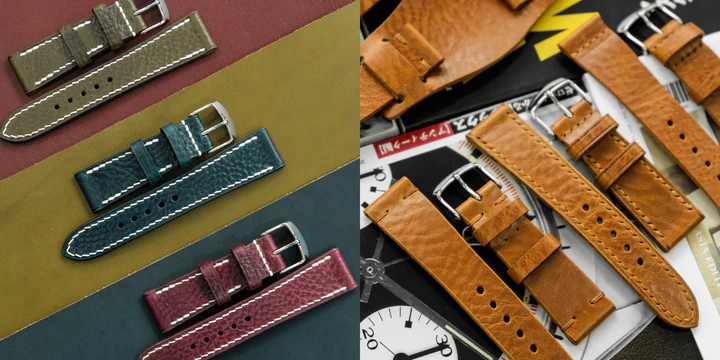
Ultimately, the appeal of watch straps lies in their quiet power. They allow one watch to live many lives. They democratize variety without excess. And they invite a deeper relationship with the objects we wear every day. In a collection of watches, it is often the straps, not the cases or movements, that determine which piece finds its way onto the wrist.
